Quarterly Update of the Financial Stability Report – September 2026
Keep in mind
The main purpose of these documents is to provide semiannual information on the vulnerabilities and risks of the financial system. The views presented and potential errors are the sole responsibility of the authors and their contents do not compromise the Board of Directors of Banco de la República
The local context is characterized by reduced risk perception, gains in local financial asset valuation, and accelerated economic activity, accompanied by a lower unemployment rate. In this environment, the financial system has performed well, with stronger and more liquid institutions, sound debtor payment performance, and greater credit dynamism.

Publication Date:
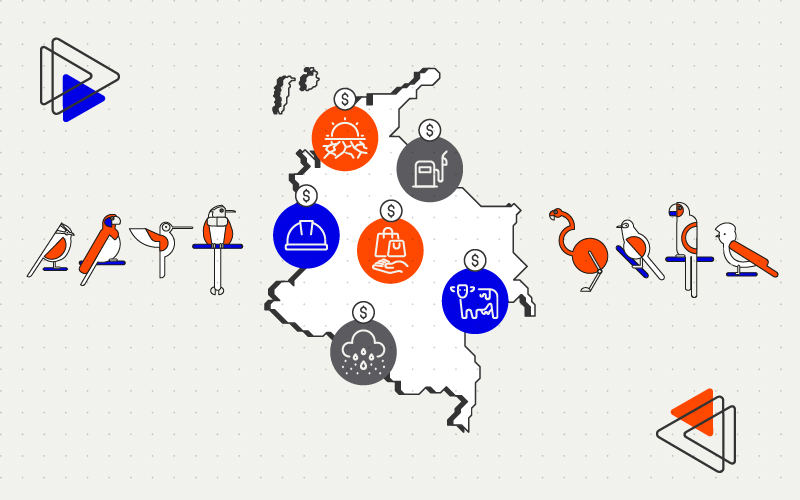
Exposure of the economy and the financial system to natural phenomena
- The El Niño phenomenon and the August earthquake could affect economic activity and place additional pressures on prices and public spending.
- Most credit institutions have limited exposure to the areas affected by the earthquake. Additionally, the financial system is sufficiently sound to withstand these situations.

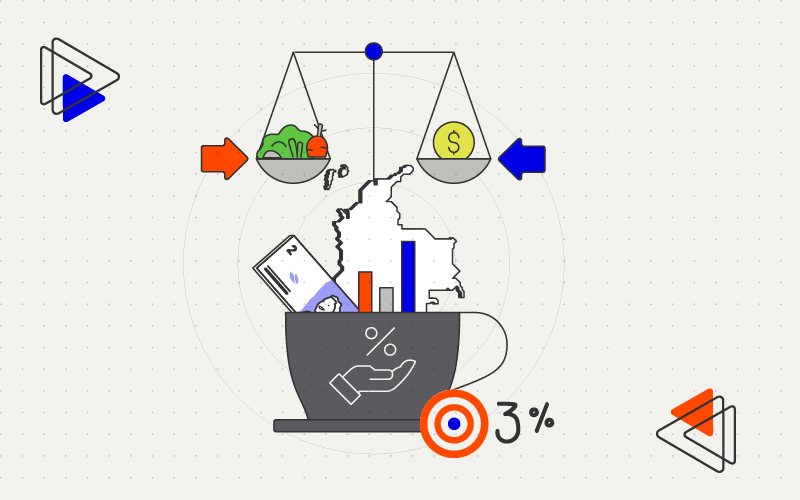
Exposure of credit institutions to tighter financial conditions
- Interest rates remain at high levels, reflecting fiscal challenges, global uncertainty, and increases in the monetary policy rate aimed at bringing inflation back to target.
- However, credit continues to grow, institutions maintain high risk-management standards, and no significant deterioration in households’ repayment capacity is observed.

Exposure to a potential sharp depreciation of the Colombian peso
- The Colombian peso has strengthened recently. However, a rapid depreciation against the U.S. dollar could put upward pressure on the prices of imported goods, weaken the financial position of some companies with foreign-currency-denominated debt, and discourage investment.
- The impact of a depreciation would be limited by the existence of exchange-rate hedging mechanisms covering a large share of corporate debt.
 Reports and Updates
  Boxes
Boxes  Press Releases