Regional Economic Bulletin (BER in Spanish) - Second Quarter of 2026
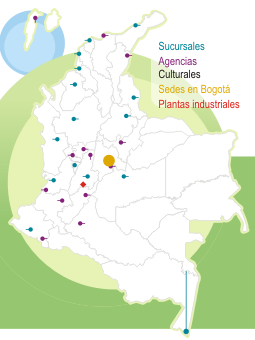
This quarterly publication analyzes the evolution of the main economic variables and indicators in seven regions of the country:

Bogotá
During the second quarter of 2026, the economy in the Bogotá-Cundinamarca region is estimated to have recorded year-over-year growth, driven mainly by household consumption.
This performance was reflected in the increase in retail sales and imports of consumer goods, particularly durable goods, such as electric vehicles and technology products. By contrast, regional industrial production declined slightly, explained by weaker manufacturing activity in Bogotá. In the construction sector, civil works continued to advance, while residential building projects and new housing slowed their growth pace compared with the previous quarter. Finally, in Bogotá, inflation continued to increase, although it remained below the national average, and the unemployment rate declined, reaching levels below those observed for the country. (more information)

Caribbean Coast
During the second quarter of 2026, the economy in the Caribbean region performed better than a year earlier.
This performance was driven mainly by household consumption, despite the weakening of some important productive activities. Vehicle and durable goods sales supported the growth in trade, while the increase in transportation activity was driven by greater cargo and passenger traffic. In turn, coal production contributed to the growth in mining, and cattle slaughter boosted livestock activity. However, not all sectors performed favorably. Manufacturing contracted due to weak external demand and constraints on the supply of inputs. Likewise, building construction activity declined amid smaller areas under construction. Meanwhile, inflation continued to rise, driven by food and accommodation prices, while the unemployment rate increased in annual terms. (more information)

Central Coffee Region
The economy of the Central Coffee Region is estimated to have performed better in the second quarter of 2026.
Performance continued to be associated with higher household consumption, which boosted productive sectors such as trade, manufacturing, and some services. However, the appreciation of the Colombian peso reduced income from coffee exports and remittances, preventing a better outcome. Meanwhile, inflation increased, while the unemployment rate declined, the latter supported by a larger number of people employed in the public administration, education, and health sectors. (more information)

Northeast
In the second quarter of 2026, the economy of the Northeast is estimated to have grown year-over-year, driven by higher household spending and a more favorable expectations environment.
Demand supported manufacturing activity and pork production. However, road blockades in April and heavy rainfall affected the movement of cattle, as well as the supply of perishable foods and oil palm fruit. In construction, most indicators increased markedly, although new housing sales declined. Meanwhile, inflation remained above the target, while the unemployment rate increased in Bucaramanga and Tunja. (more information)

Northwest
In the second quarter of 2026, the economy of the Northwest is estimated to have grown year-over-year, driven mainly by the increase in goods consumption.
Domestic trade showed notable expansion, reflected in the increase in retail sales and the continued growth of imports. Likewise, road freight accelerated its growth pace, and manufacturing grew moderately. In turn, the granting of loans increased, although at a slower pace than observed in the previous quarter. In contrast, in the primary sector, most agricultural and livestock activities declined, a situation related to unfavorable weather conditions. Finally, inflation in Medellín continued its upward trend, driven by perishable foods, while employment increased. (more information)

Southeast
In the second quarter of 2026, the Southeast economy is estimated to have recorded moderate year-over-year growth.
In the agricultural sector, activity was driven by oil palm production and pig farming. Likewise, rice production, agricultural shipments, and cattle slaughter increased, although at a slower pace than in the previous quarter. In turn, vehicle and motorcycle sales increased, in line with greater household willingness to purchase durable goods. In building construction, the effectively constructed area increased, although the area licensed for construction and new housing sales continued their downward trend. In contrast, oil production declined due to the natural decline of fields in Casanare and some operational constraints in Meta. This performance occurred amid high international crude oil prices due to geopolitical tensions in the Middle East. In Villavicencio, unemployment remained below the national rate, while inflation continued to rise. (more information)

Southwest
In the second quarter of 2026, economic activity in the Southwest region is estimated to have recorded year-over-year growth, driven by private consumption.
Domestic demand drove this performance, supported by higher sales of durable and basic goods, and increased imports of consumer goods and industrial inputs. Manufacturing production also improved, particularly due to the performance of the motorcycle, chemical, non-metallic mineral, and sugar industries. This result contributed to an increase in freight transportation. In contrast, building construction activity continued to weaken, as reflected in the contraction of the area under construction and the decline in new housing sales. Likewise, agricultural supply decreased compared with the same period a year earlier. On the other hand, inflation maintained its upward trend, and the unemployment rate continued to decline. (more information)