GDP is a key measure of economic output, but departmental figures are published with a lag. Therefore, it is useful to complement them with more recent information. In this context, the BER offers a timely view of the regional economy based on analysis and interpretation of indicators from different sectors. Because data collection occurs about a month before publication, the BER provides a near-real-time view.
Why should we examine the economy of each region rather than just the country’s economy?
Because the economy tells more than one story: economic activity varies across regions. While some trends may be shared, each territory has its own productive activities, conditions, and challenges. For example, in the second quarter of 2026, household consumption drove growth in several regions, while other activities followed different patterns. Analyzing regions helps us identify these differences and better understand what is driving or slowing the economy.
Related BanRep Blog: The Colombian Economy from a Regional Perspective
Consulte el contenido completo
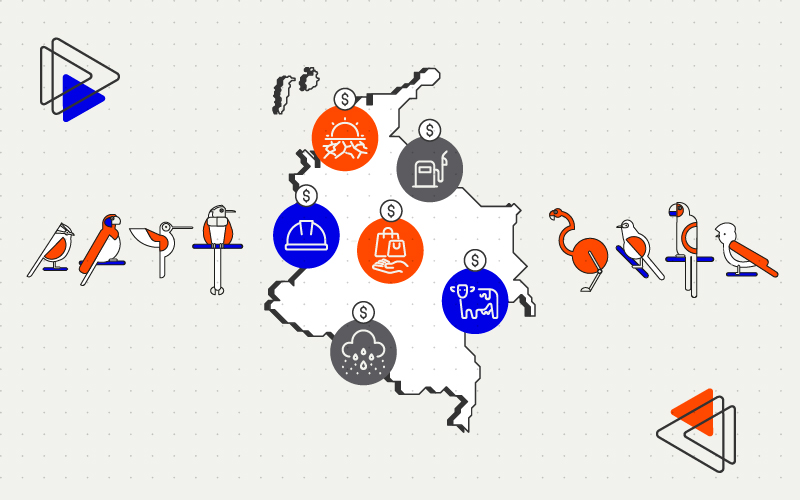
When we hear that the economy has grown, we may assume every household, business, and region in the country experienced the same narrative. However, that’s often not the case. A good harvest can boost one region’s performance, while construction challenges may slow down another’s. To really understand a country’s economy, we need to look not only at its overall growth rate, but also at where, how, and why it’s growing...